Traveling with production gear is manageable if you plan aggressively and accept that some things are out of your control. The problems come when people wing it.
Pack Non-Descript
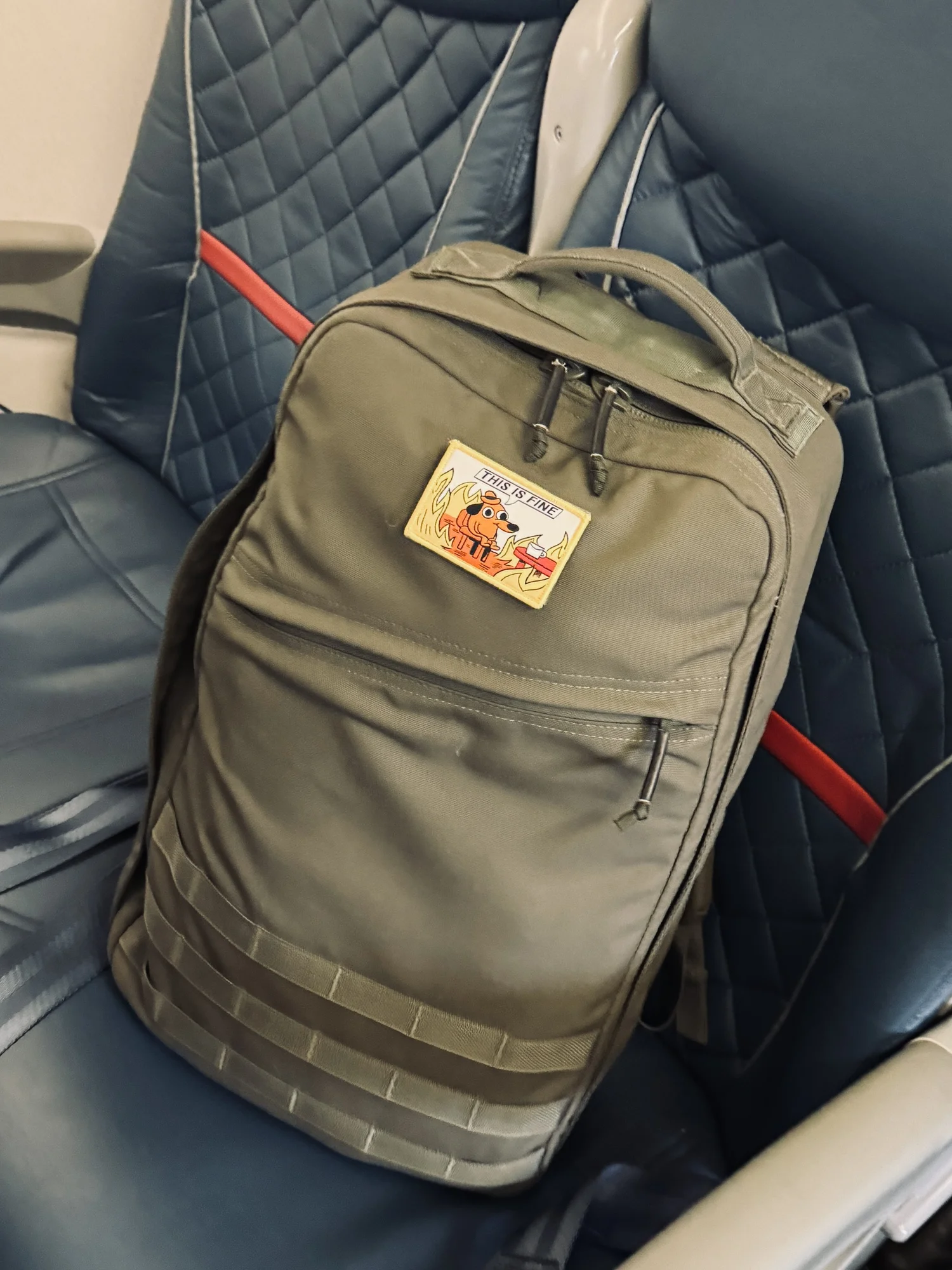
This is the first rule. Don’t travel with cases that scream “expensive camera equipment inside.” Pelican cases with stickers all over them are a magnet for attention — from thieves, from overzealous customs agents, and from airline staff who suddenly care about your carry-on dimensions.
Use non-descript carry-on cases for anything high-value or fragile. Cameras, lenses, drives, and cards go in your carry-on, always. Distribute gear across bags when traveling with a team so no single lost bag kills the shoot.
Make Production Pay for a Carnet
If you’re crossing international borders with substantial equipment, you need a carnet. Full stop. This is a “passport for your gear” that prevents customs from treating your equipment as imported goods subject to tax.
Don’t just hope things will work out at customs. Some countries are strict about commercial equipment entering the country, and getting gear held up at the border is a nightmare that can cost you the entire shoot day.
The important part: make production pay for it. A carnet is a production expense, not yours. Get it approved during pre-production, list every piece of equipment with serial numbers and valuations, and get it stamped at every border crossing.
Know Your Fallback
When all else fails, act like a tourist and rent locally. It’s not unreasonable to bring a smaller personal kit through customs and rent the heavy stuff — monitors, stands, larger accessories from a local rental house at the destination. You don’t need to bring every last piece of gear to make money on a job. Sometimes the smarter play is a lighter kit through customs and a local rental invoice on the production’s dime.
Airline Basics
- Know the baggage policy for your specific airline before you book. Weight and dimension limits vary, and oversize charges add up fast.
- Arrive early. Equipment screening takes longer.
- Lithium batteries go in carry-on. TSA and international regulations require it. No exceptions.
- AirTag everything. Every case, every checked bag. If something gets lost or delayed, you want to know exactly where it is.
Insurance
Get specialized photography/production insurance. Standard travel insurance won’t cover a $15,000 camera kit or a $5,000 laptop. Make sure your policy covers gear in transit, not just gear on set.
The Point
The goal isn’t to eliminate every possible problem, it’s to plan for the likely ones so they don’t derail the job. Pack smart, get the paperwork done, know your rental options at the destination, and make production cover the logistics costs. The headaches come from hoping for the best. The smooth trips come from planning for the worst.